
Corona Del Mar's Millionaire's Mile: Ocean Boulevard Micro-Market Analysis
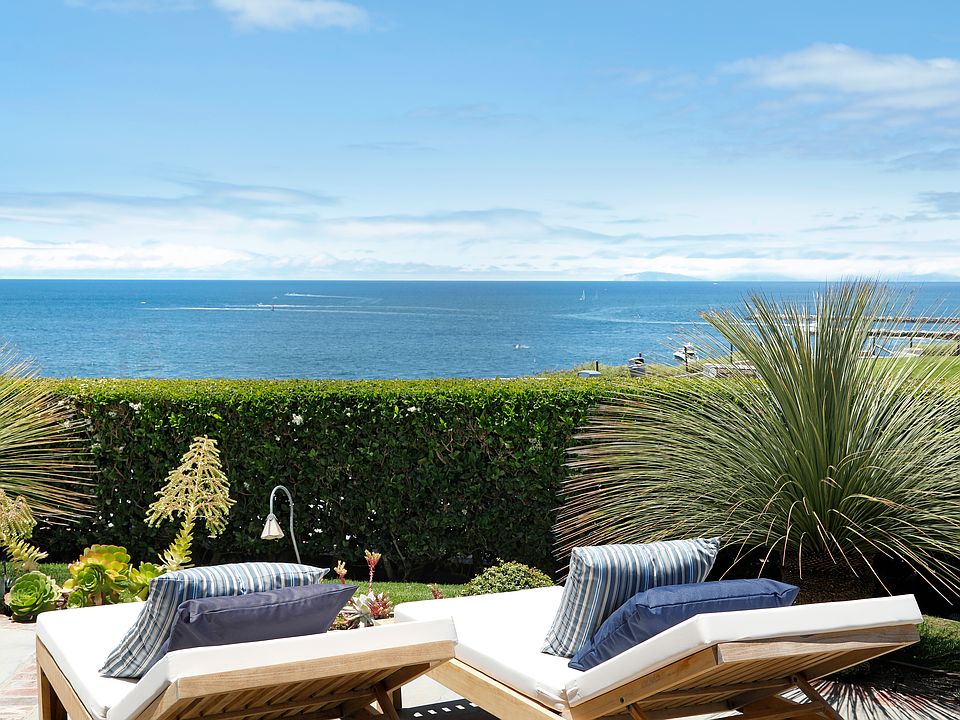
Corona Del Mar's Ocean Boulevard is one of Southern California's most exclusive residential corridors. This micro-market report provides a focused analysis of the key value drivers for direct oceanfront and ocean-view properties, recent historical price performance, architectural and renovation considerations, beach access implications, and relevant development constraints and opportunities.
Oceanfront Versus Ocean-View Value Analysis
Oceanfront properties along Ocean Boulevard command a distinct value premium relative to ocean-view homes. Direct oceanfront estates with unobstructed shoreline exposure frequently exceed $3,000 per square foot, while high-quality ocean-view properties tend to trade at lower premiums, reflecting both view quality and proximity to the water. Recent market data indicates per-square-foot pricing for direct oceanfront homes significantly exceeds that of ocean-view properties, reinforcing the scarcity and desirability of true waterfront locations. This valuation gap reflects both the exclusivity of direct water frontage and ongoing buyer preference for unobstructed natural views.
Ocean-view properties with broad sightlines to the Pacific, harbor, or Catalina Island remain highly valued, especially when interior spaces and principal rooms are oriented to maximize those views. However, they do not typically carry the same breadth of premium as direct beachfront holdings.
Historical Sales Data for Prime Ocean Boulevard
Historical data for Ocean Boulevard illustrates sustained demand and pricing resilience among ultra-high-end properties. Homes in this micro-market often sell above initial list prices due to limited inventory and strong competition among qualified buyers. Examples of past transactions include oceanfront estates with per-square-foot pricing in the upper range of the Corona Del Mar market, particularly when properties offer direct beach access and panoramic water views. Price histories of notable sales also reveal the impact of strategic marketing and timing relative to broader market cycles.
Inventory remains constrained, reinforcing price stability and competitive dynamics for well-positioned properties. Ocean Boulevard estates typically demonstrate longer holding periods, reflecting both the scarcity of listings and the selective nature of buyers at this level.
Architectural Styles and Renovation Potential
The architectural landscape along Ocean Boulevard and adjacent beach areas is diverse, ranging from classic Mediterranean and Tuscan-inspired designs to contemporary and transitional estates. Mediterranean and Tuscan styles often feature stucco exteriors, terracotta roofing, and detailed stone or ironwork, supporting both heritage appeal and luxury finishes. Contemporary designs emphasize light-filled spaces, clean lines, and extensive glass to frame ocean views. Transitional homes combine elements of traditional and modern design to meet current lifestyle expectations.
Renovation and redevelopment potential remains a central consideration for buyers. Many older beachfront estates offer opportunities to update interior layouts, incorporate smart home systems, and enhance outdoor living areas. In some cases, properties are purchased for teardown and replacement with custom-built estates tailored to the specific preferences of the buyer. This trend underscores both land value and the premium placed on bespoke design in prime locations.
Beach Access Rights and Property Boundaries
Beach access is a fundamental value driver for Ocean Boulevard properties. Direct beach access via private pathways enhances property utility and appeal, often translating into a measurable value premium compared to homes with public access only. In Corona Del Mar, direct access to Corona Del Mar State Beach provides a unique combination of privacy and convenience that is not uniformly available across the broader market.
It is important for buyers and advisors to verify the scope of access rights and any easements recorded against specific parcels. Private access rights and pathways can materially affect both valuation and long-term enjoyment of the property.
Physical boundaries in this coastal context are subject to California coastal regulations and local zoning codes. These regulations may influence permissible improvements and future encroachments, and they also support the preservation of public beach access under state policies.
Future Development Restrictions and Opportunities
Development regulations in Corona Del Mar are shaped by a combination of local zoning frameworks and California coastal protections. These policies limit the extent of new density and maintain the character of existing residential corridors. Oceanfront sectors such as Ocean Boulevard are subject to stringent guidelines that restrict overbuilding and significant alterations that could impact coastal access or natural resources.
For owners and developers, understanding these restrictions is critical to assessing renovation feasibility and long-term value. Opportunities for redevelopment generally require close coordination with planning authorities to ensure compliance with setback requirements, environmental reviews, and coastal commission standards.
Despite restrictions, there remain selective opportunities for value creation through thoughtful improvements, modern design integration, and sustainability enhancements that align with both regulatory expectations and buyer preferences.
Conclusion
Ocean Boulevard in Corona Del Mar represents one of Southern California's preeminent oceanfront micro-markets. The distinct value differential between direct oceanfront and high-quality ocean-view properties reflects both the scarcity of beachfront land and enduring buyer demand. Historical sales trends demonstrate resilience in pricing, particularly for estates with premium features and access rights. Architectural diversity and renovation potential support custom solutions for sophisticated buyers. However, property boundaries and regulatory frameworks governing beach access and development emphasize the importance of due diligence and expert guidance.
For ultra-high-net-worth buyers and oceanfront specialists, a detailed understanding of these factors informs strategic decision making in this highly competitive and finely balanced luxury micro-market.